Design Against Decline Instead of Around it
May 21, 2026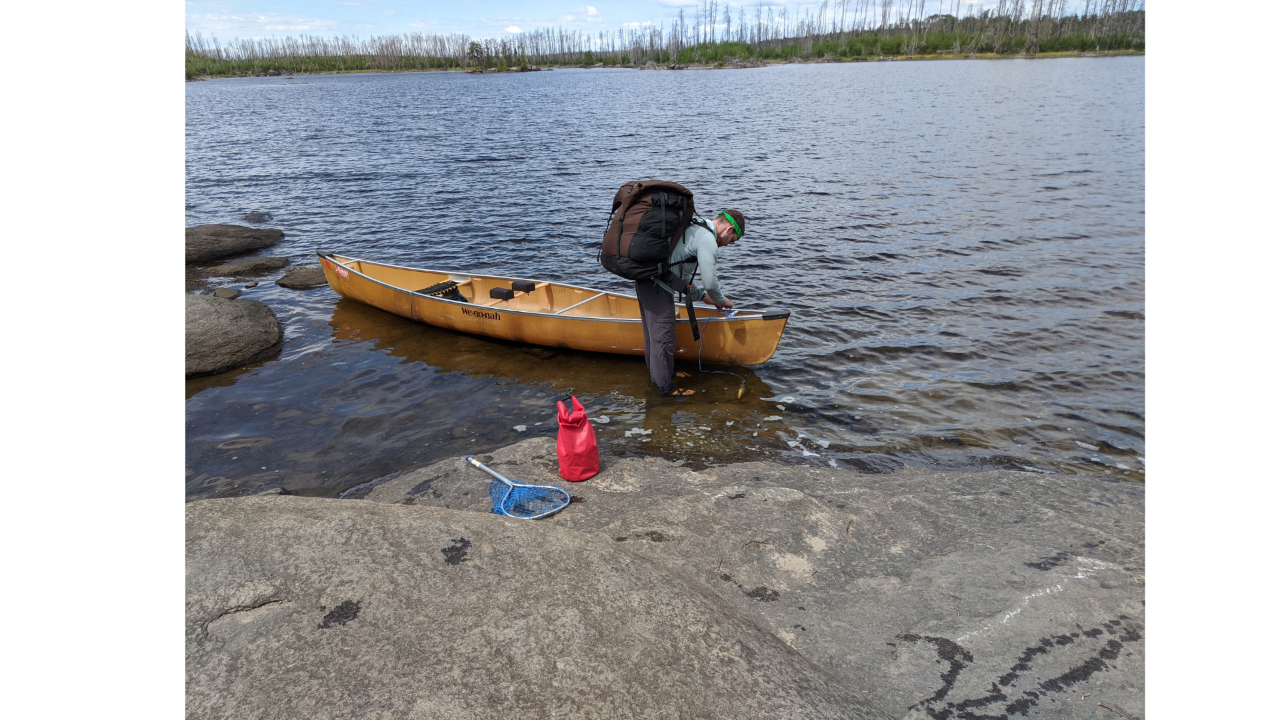
I keep swimming, running, and lifting my way into my next decade, and the next.
But before I fulfill my own aspirational aging promise, let's rewind to last summer — when I learned the hard way what designing around decline actually looks like in practice.
Matt and I were three days deep into a lake-spotted region of northern Minnesota. Rowing, carrying, lifting our canoe and gear between camp sites, on our quest to nowhere in particular.
The terrain I guide my healthspan clients through had its volume turned up to 11. A rolled ankle. A tweaked shoulder. A sore knee. All part of yesterday's travel.
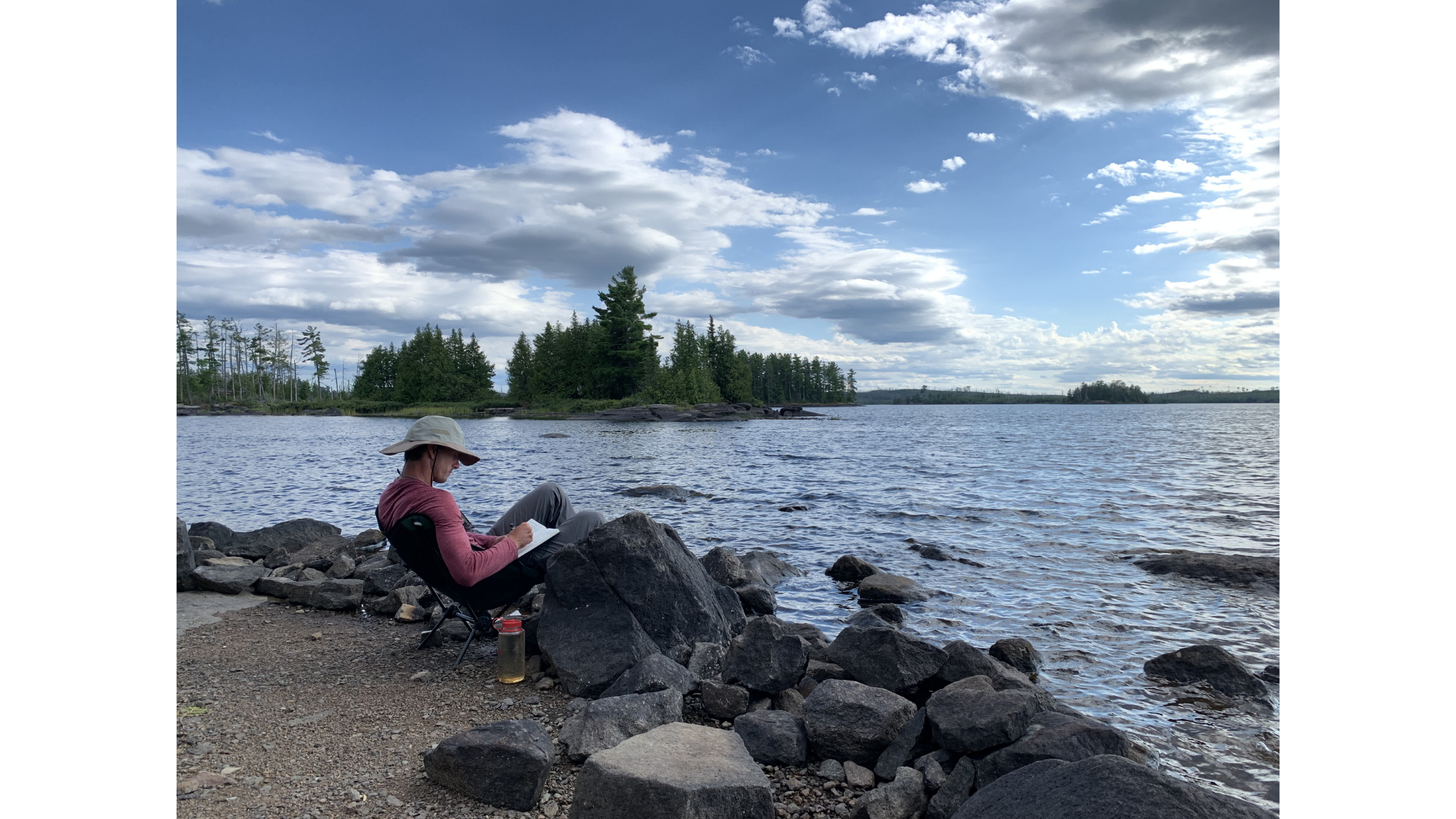
In the months prior, I had been incredibly active. Triathlon training — swimming, biking, and running. I was a lean, mean endurance machine. I was fit. I just wasn't…strong.
But on day 3, none of that was particularly helpful. All the cardiovascular endurance in the world wouldn't help me launch a 90-pound pack over my shoulder for our third inter-lake portage of the day.
During last summer’s triathlon training, I had not lifted one single weight. And it was starting to show.
"Matt, I can't do the packs anymore. I'm falling apart."
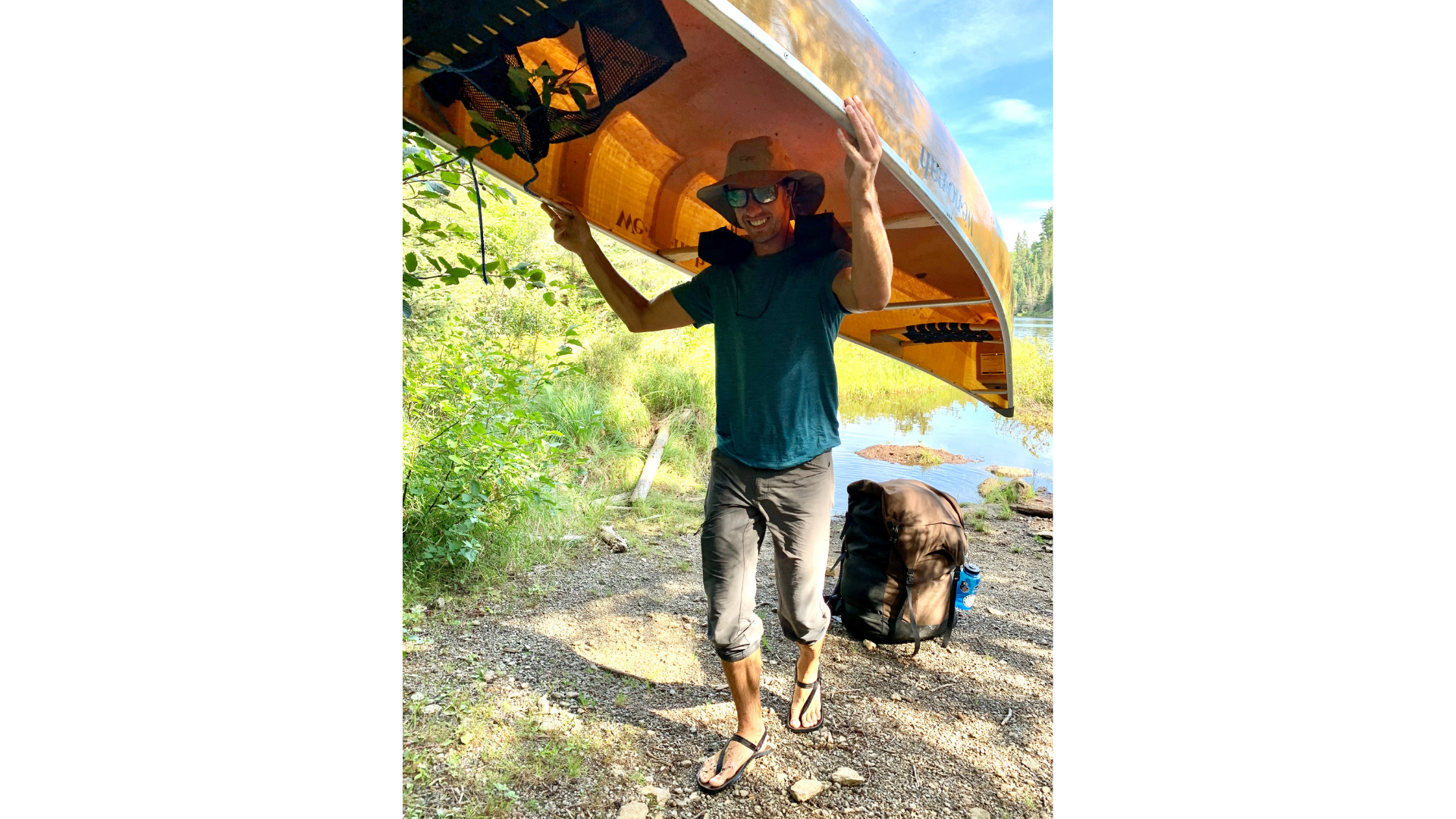
Unable to shoulder the 90 pound pack, I was demoted to canoe-carrier. Still no walk in the park — but easier on my three-times surgically repaired knee. A knee that, at the end of each day, was trembling like a leaf from the cumulative wear.
I had come face to face with a very real Healthspan design problem. A problem i explain to new clients. And I was watching it happen before me - Not in the face of decades-old frailty — but before my very eyes, deep in the woods, with no other way out but through.
"I'd spent months getting fit. I'd done nothing to pack the strength i needed."
For that Minnesota canoe trip, I had packed poorly. Not foodstuffs or rain gear — capacity. My knee strength. My ankle stability. My shoulder mobility. I needed so much more than I'd packed.
The Universal Pattern
Every active aging athlete I've ever worked with has a gap. It’s a gap between the terrain they choose and the capacity they've built — and we’ve all gotten very good at not seeing it.
In no uncertain terms, this is what happens as we approach decline. It's walking speed, balance, coordination — and a dozen other variables that sneak up on us over the course of years. And for years before any of that, we have this tremendous ability to design our lives around the problem rather than for it.
The pickleballer who reaches instead of lunges. Who scoffs at the shoulder warm-up I ask them to do before every session. "Do I have to?" Yes. Because you're masking a rotator cuff that's been compensating for two years — and you've gotten very good at not knowing it.
We self-select into terrain that plays to our strengths. That's not a problem. The problem is what gets avoided in the process. The variables that — left alone this year or the next — predict our own frailty.